
EU terms conduct of elections without permanent constitution unfortunate
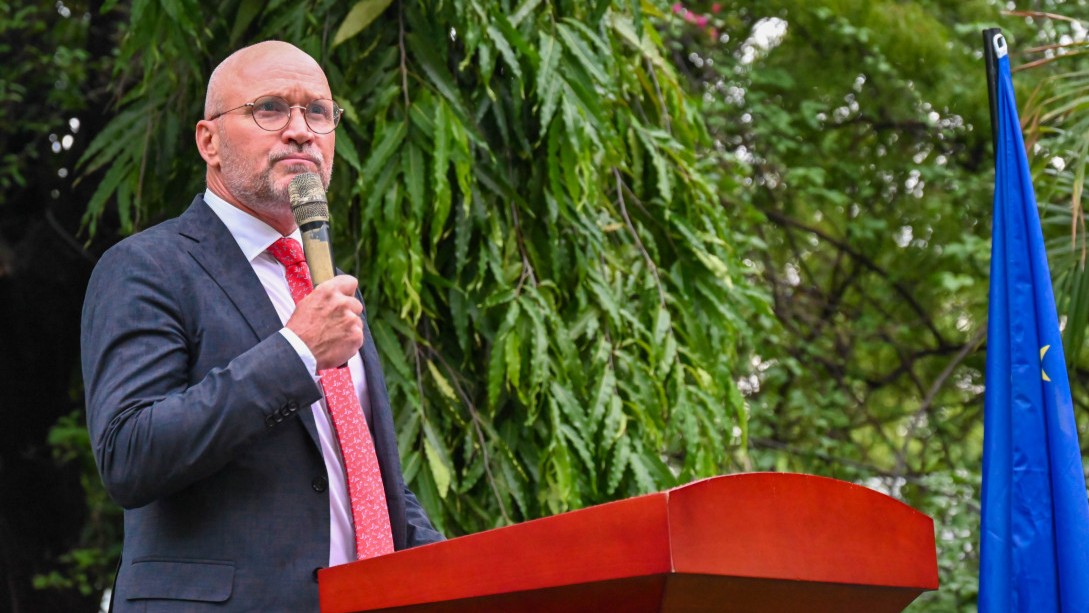

Speaking during the opening session of the Civic Education and Public Consultations National Institutions Workshop in Juba on Monday this week, EU Ambassador to South Sudan, Pelle Enarsson, stressed that while preparations for elections are underway, the country’s constitution-making process remains critical to its long-term stability.
South Sudan’s transitional government is pushing ahead with plans to conduct general elections in December 2026. However, authorities have opted to separate the elections from the permanent constitution-making process and the conduct of a national population census, arguing that both exercises require more time and resources than are currently available.
Addressing government officials, diplomats and constitutional experts, Enarsson said the drafting of a permanent constitution should not be overshadowed by preparations for the polls.
“While the country is preparing for elections, it is imperative that the work to establish a permanent constitution continues,” he said.
The envoy emphasised that elections and constitutions serve different purposes, arguing that a constitution provides the foundation upon which democratic governance is built.
“An election provides a one-time snapshot of the political landscape, while the constitution provides the long-term foundation for the future of a country,” he said.
He noted that a permanent constitution is the instrument through which minority rights are protected, power-sharing arrangements are defined, and the respective powers of the executive, legislature and judiciary are established.
“That is where the protection of the rights of minorities can happen, where the balance of power between the center and regions is identified and what powers are invested in the executive versus the legislative and judiciary,” Enarsson said.
“Without those in place, an election basically answers very little.”
The ambassador acknowledged that South Sudan is facing significant time constraints in implementing key provisions of the revitalized peace agreement ahead of the scheduled elections.
“Today in South Sudan, we are in an unfortunate time crunch for the implementation of the peace agreement,” he said.
Referring to ongoing discussions about conducting elections before the completion of the permanent constitution, Enarsson described the situation as problematic but stopped short of directly opposing the government’s plans.
“There are proposals on the table to delink the elections from the constitution-making process. We might argue about the needs for this, but whatever sequencing will in the end happen, the work of the NCRC must be safeguarded and continued in the future political setting of South Sudan,” he said.
The European Union has been supporting the constitution-making process through the National Constitutional Review Commission since its reconstitution in 2023. According to Enarsson, the EU, working through the Max Planck Foundation, has funded capacity-building workshops, civic education initiatives and technical support aimed at helping South Sudan draft its first permanent constitution.
The remarks come amid growing debate over whether South Sudan can conduct credible elections without first completing critical transitional tasks outlined in the 2018 peace agreement, including the adoption of a permanent constitution and the establishment of key democratic institutions.
sudanspost.com