
Bousso: Hormuz Oil Exodus Sets Stage for Chaotic Rebalancing Act
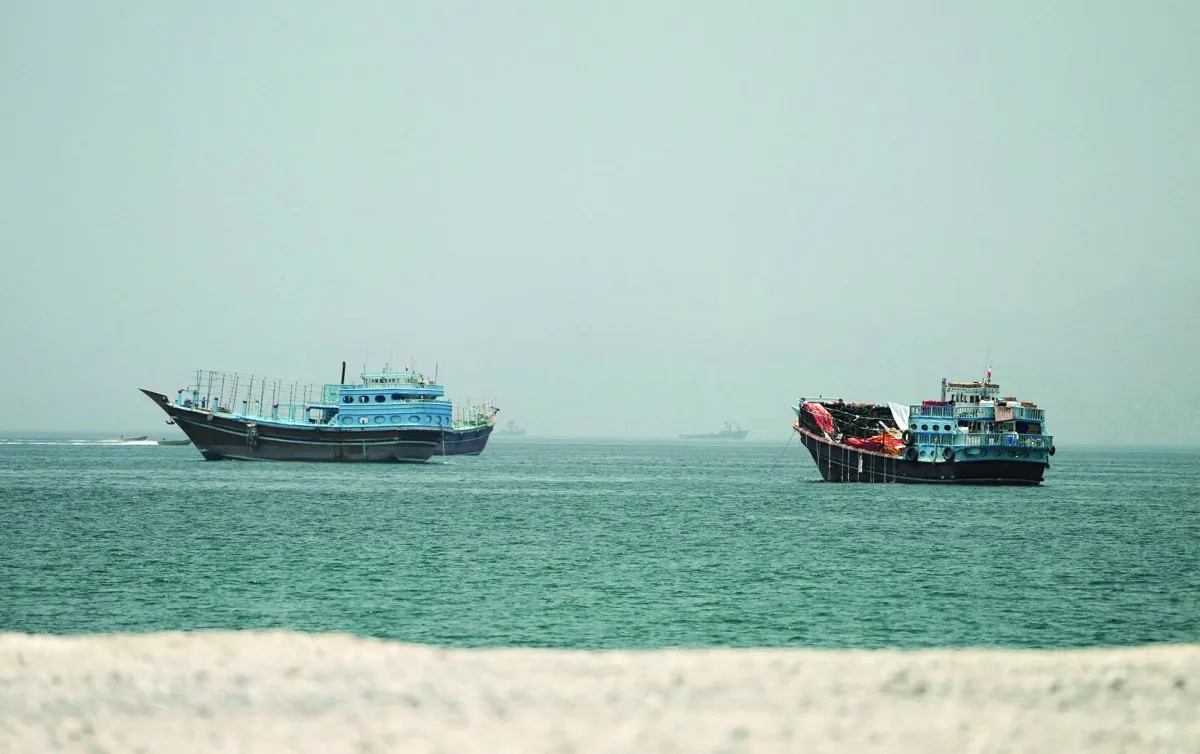
Crude prices may be back near levels seen before the Iran war, but the surge in oil exports from the Middle East following the reopening of the Strait of Hormuz is creating a chaotic market that could take months to settle. The steep slide in Brent crude back to pre-war levels of around $73 a barrel following the US-Iran interim deal might, at first glance, suggest business as usual has returned to the world’s most important oil and gas hub. The narrow waterway, which once carried about a fifth of global oil and gas, had been effectively paralyzed by conflict for more than 100 days, Ron Bousso, a columnist for Reuters says.
But beneath the surface, the market is anything but orderly. What looks like normality is a system trying to reboot all at once. First, there’s the race to liberate trapped volumes. Dozens of tankers stranded inside the Gulf during the war have rushed to leave in recent days. US Energy Secretary Chris Wright said flows briefly exceeded pre-war levels of around 20 million barrels per day, though ship-tracking data suggests overall traffic remains far below the roughly 125 daily crossings seen before the conflict. Some vessels appear to be disabling tracking systems during transit, further clouding the picture.
Whatever the precise numbers, one thing is clear: more Middle Eastern oil is hitting the market.
But clearing outbound cargo is only half the equation.
Inbound tankers are needed to load crude sitting in onshore storage, a key step in allowing producers to restart fields and refineries shut during the war. Without that inflow of vessels, the recovery in supply cannot proceed smoothly.
The constraint should be short-lived. Consultancy Rystad Energy estimates that shut-in production across the Gulf fell to 9.6 million bpd by mid-June from 11.7 million bpd three weeks earlier, and the region is now expected to return to pre-war output by December. Perhaps an even bigger factor complicating the supply outlook is Iran. Tehran is expected to quickly ramp up oil production after the US suspended most sanctions restricting Iran's oil exports and sales.
Iran's oil output could reach 3.3 million bpd by year-end, above pre-conflict levels, if the sanctions relief stays in place, according to Rystad.
Logistics aside, a flood of oil appears likely to hit markets.
FROM SHORTAGE TO GLUT
That surge is running headlong into weak short-term demand. Refineries in Asia and Europe have already largely secured their crude supplies for July and August, leaving the extra barrels with nowhere to go.
Many tankers may therefore have little choice but to remain at sea, effectively turning into floating storage and keeping those barrels off the market for weeks. Having endured the largest oil supply shock in history, the market may soon face the opposite problem.
Indeed, investors appear to be pricing in a short-term "mini glut." Last week, August Brent futures traded below the September contract, flipping into a market structure, known as contango, for the first time since the war began on February 28.
That contango could persist for several weeks as the backlog of oil trapped in the Gulf is gradually cleared. But it is unlikely to last. Once flows normalize, the market will require enormous volumes of crude to both meet recovering demand in Asia and refill inventories around the world that have been depleted during the conflict.
Does that mean supply and demand will easily shift back into balance? Probably not.
While global supply is forecast to fall by 3.9 million bpd in 2026, it is expected to rebound by about 8 million bpd in 2027 to roughly 110.3 million bpd, according to the International Energy Agency.
Demand, by contrast, is expected to recover far more modestly, creating a potential surplus of roughly 5 million bpd next year.
This scenario may not play out, given the physical constraints of the oil supply chain, but the scale of the potential supply-demand mismatch suggests the market faces a very bumpy ride ahead.
LINGERING RISKS
While exports may be surging now, concerns about the future of the Strait of Hormuz are already resurfacing.
Under the US-Iran interim deal, transit through the waterway is supposed to be unimpeded and toll-free for 60 days, while Tehran negotiates with Oman over a longer-term framework to govern traffic. That temporary arrangement leaves plenty of room for uncertainty.
A stark reminder came in recent days, when Iranian forces fired on a Taiwanese cargo vessel transiting the strait on Thursday, sparking a round of tit-for-tat strikes with the United States. The incidents appeared less an escalation than a signal: Tehran intends to assert its authority through the newly created Gulf Strait Authority.
Although traffic resumed quickly after the incident, many shipowners and charterers are likely to remain wary of sending vessels back into the Gulf.
That caution is already showing up in flows. For every four tankers leaving the region last week, only one entered, far below pre-war levels, according to LSEG data.
Markets appear to be shrugging off concerns about political risks, logistical problems or lasting changes in the region.
But after months of severe disruption, the road back to balance is unlikely to be smooth. That suggests today’s market optimism might be overdone.
aawsat.com